Medigap vs. Medicare Advantage: What to Know in 2026
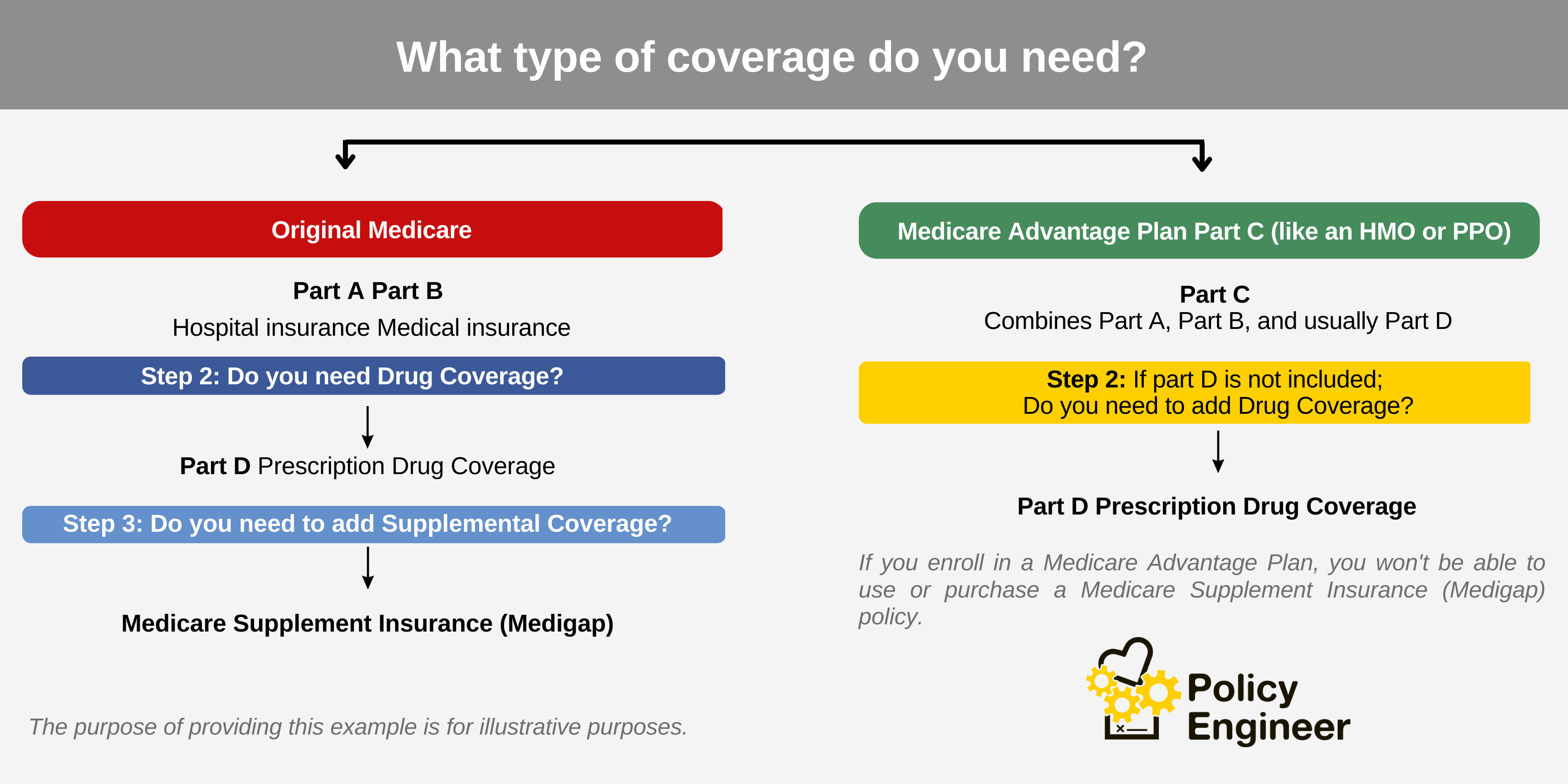
When you become eligible for Medicare, an important step is deciding how you want to manage out-of-pocket costs that are not fully covered by Original Medicare (Parts A & B). In 2026, the two main pathways people evaluate are:
- Medigap (Medicare Supplement Insurance) – works with Original Medicare.
- Medicare Advantage (Part C) – an alternative way to receive Medicare benefits through a private plan.
Both options function differently, and both come with unique structures and considerations. This guide explains the differences in a neutral, educational format.
Quick Navigation — Jump to a Section
A 2026 Educational Overview Provided by Policy Engineer Insurance Solutions
For informational and educational purposes only. This material is not intended to influence your enrollment decisions. Individuals should review all options available in their area through Medicare.gov or consult a licensed insurance professional for personalized guidance.
Understanding Your Choices in 2026
When you become eligible for Medicare, an important step is deciding how you want to manage out-of-pocket costs that are not fully covered by Original Medicare (Parts A & B). In 2026, the two main pathways people evaluate are:
- Medigap (Medicare Supplement Insurance) – works with Original Medicare.
- Medicare Advantage (Part C) – an alternative way to receive Medicare benefits through a private plan.
Both options function differently, and both come with unique structures and considerations. This guide explains the differences in a neutral, educational format.
What Are Medigap and Medicare Advantage?
Medigap (Medicare Supplement Insurance)
- Medigap policies are offered by private insurance companies and help pay certain out-of-pocket costs under Original Medicare, such as coinsurance, copayments, and deductibles.
- In most states, Medigap plans are standardized by letter (A, B, C … N). A plan with the same letter offers the same core benefits regardless of the insurer.
- Medigap does not include prescription drug coverage, so individuals generally need a separate Part D plan if they want drug coverage.
Medicare Advantage (Part C)
- Medicare Advantage plans are offered by Medicare-approved private companies. These plans provide Medicare Part A and Part B benefits through a bundled plan.
- Many plans also include Part D prescription drug coverage and may offer additional benefits such as dental, vision, or hearing services.
- Medicare Advantage plans include an annual maximum out-of-pocket limit (MOOP) for Medicare-covered services.
- These plans typically use provider networks, which may affect access to certain doctors and hospitals depending on the plan type.
-
Key Differences Between Medigap and Medicare Advantage in 2026
1. Cost Structure
Medigap
- Requires a monthly premium.
- Offers more predictable out-of-pocket costs when receiving Medicare-covered care.
- Depending on the selected plan, Medigap may cover certain Medicare deductibles, coinsurance, or copayments.
Medicare Advantage
- Monthly premiums vary by plan.
- Individuals generally pay copayments or coinsurance when receiving services.
- Plans include an annual out-of-pocket maximum for Medicare-covered services under Part A and Part B.
2. Provider Access
Medigap
- Allows access to any doctor or specialist in the United States who accepts Medicare.
- No networks or referrals are required.
Medicare Advantage
- Most plans have networks such as HMOs or PPOs.
- Out-of-network coverage depends on the plan and may result in different costs or limitations.
3. Predictability vs. Variability of Costs
Medigap
- Provides stable, predictable cost-sharing, which may be helpful for individuals who expect frequent medical use.
Medicare Advantage
- Costs can vary depending on how often services are used.
- Once the plan’s out-of-pocket maximum is reached, Medicare-covered services are generally covered by the plan for the remainder of the year.
4. Prescription Drug Coverage
Medigap
- Does not include prescription drug coverage.
- A separate Part D plan is typically needed for medications.
Medicare Advantage
- Many plans include Part D prescription drug coverage within the plan.
5. Stability and Yearly Changes
Medigap
- Benefits are standardized and typically do not change from year to year.
- Premiums may adjust over time.
Medicare Advantage
- Plan benefits, drug formularies, network structures, and cost-sharing may change annually.
- Members receive an Annual Notice of Change (ANOC) each fall that outlines upcoming changes.
6. Enrollment and Underwriting Rules
Medigap
- When you enroll in Medicare Part B for the first time, you receive a six-month Medigap Open Enrollment Period where you have guaranteed-issue rights.
- During this period, you cannot be denied a Medigap plan based on health status.
- Outside of this window, applying for certain Medigap plans may require medical underwriting in many states.
Switching From Medicare Advantage to Medigap
- Switching may require underwriting unless you qualify for a specific guaranteed-issue situation, such as certain trial rights or special circumstances.
Questions to Consider When Comparing Options
To help understand which structure may align with your preferences, consider:
- How often do I visit doctors or specialists?
- Do I prefer unrestricted provider access, or am I comfortable with a network?
- How important is predictable monthly spending?
- Do I want prescription drug coverage included in the same plan?
- What is my budget for monthly premiums?
- Could my healthcare needs change in the future?
Tips for Reviewing Options in 2026
- Review your Medicare Advantage plan’s Annual Notice of Change (ANOC) each fall if you are already enrolled.
- Compare Medigap, Medicare Advantage, and Part D plans using the Medicare Plan Finder at Medicare.gov.
- Reach out to your State Health Insurance Assistance Program (SHIP) for free and unbiased Medicare guidance.
- If considering Medigap outside the guaranteed-issue window, review underwriting rules in your state.
- If selecting Medigap, review Part D drug plan options separately.
- Estimate your potential annual costs under both structures—consider typical use and potential high-use years.