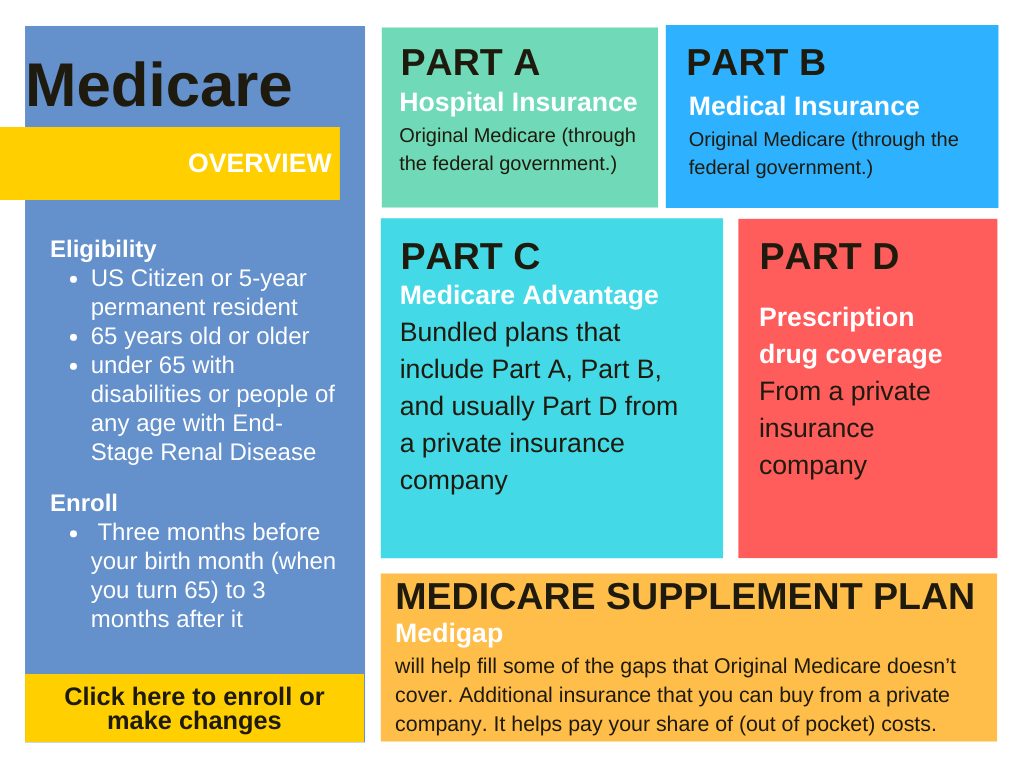
Which Parts of Medicare Coverage Do You Need
Understanding Medicare can feel overwhelming with Parts A, B, C, D, Medigap plans, enrollment periods, penalties, deductibles, and changing healthcare costs. Here’s what Medicare covers, what changed for 2026, and how to determine which type of coverage may fit your needs.
Schedule Your Medicare ReviewWhat Is Medicare?
Medicare is the federal health insurance program primarily designed for individuals age 65 and older. Some younger individuals with qualifying disabilities, End-Stage Renal Disease (ESRD), or ALS may also qualify for coverage.
Medicare is divided into multiple parts that each help cover different healthcare expenses. While Medicare provides important coverage, it does not pay for everything. Understanding how each part works can help you avoid unexpected medical expenses and coverage gaps during retirement.
With Medicare premiums and deductibles increasing in 2026, reviewing your coverage before Annual Enrollment Period is more important than ever.
Official 2026 Medicare Costs
Source: Medicare.gov 2026 Medicare Costs
Who Is Eligible for Medicare?
- People age 65 and older
- Individuals under age 65 with qualifying disabilities
- People diagnosed with ALS (Lou Gehrig’s Disease)
- Individuals with End-Stage Renal Disease (ESRD)
- Those receiving Social Security Disability benefits
Some individuals are automatically enrolled in Medicare when receiving Social Security benefits, while others must enroll during their Initial Enrollment Period.
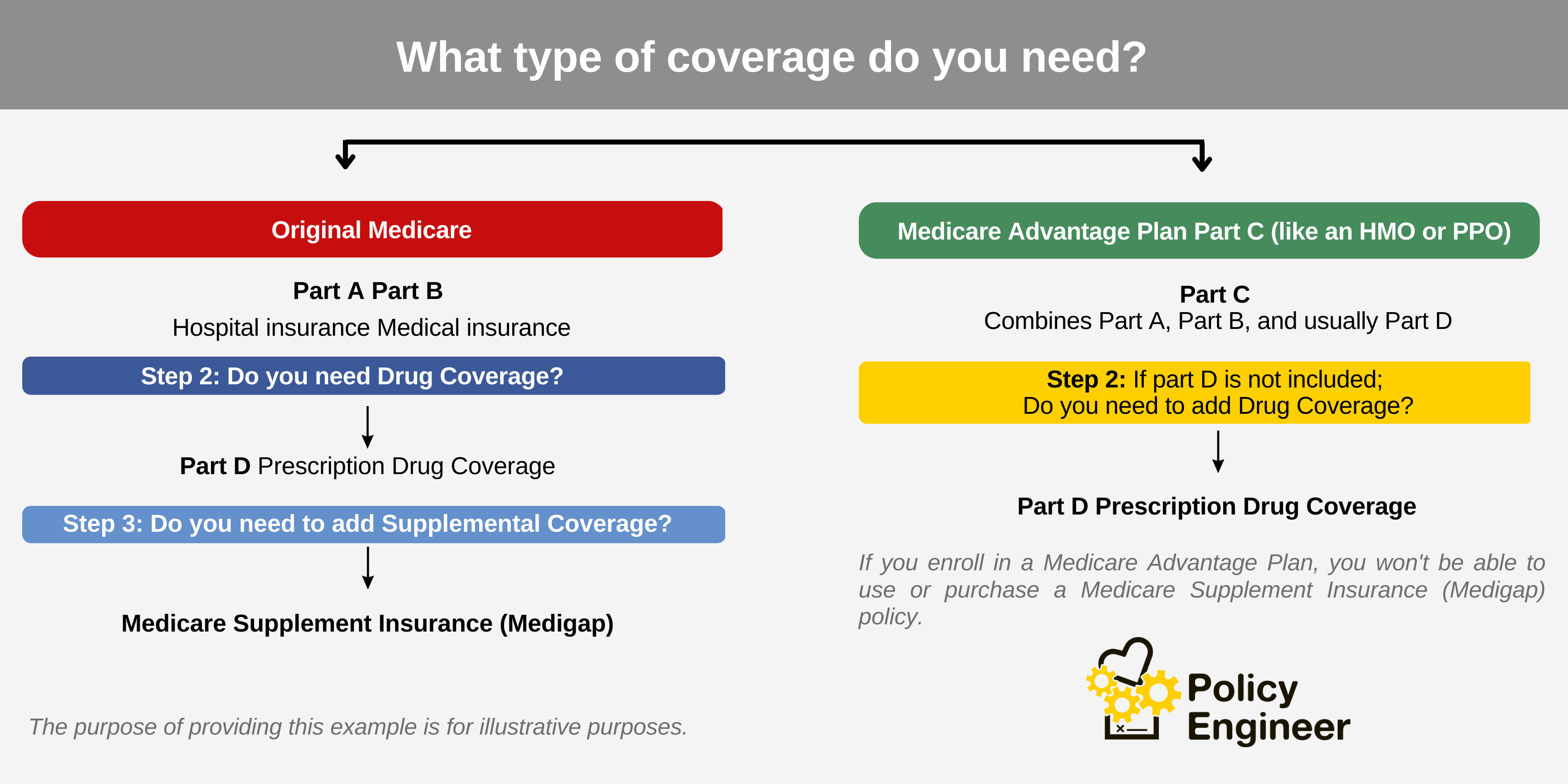
Which Type of Medicare Coverage Fits You?
Your healthcare needs, prescriptions, doctor preferences, travel habits, and retirement goals all play a role in choosing the right Medicare strategy.
Original Medicare Part A — Hospital Insurance
Medicare Part A primarily helps cover inpatient hospital stays, skilled nursing facility care, hospice care, and limited home healthcare services.
Most individuals qualify for premium-free Part A if they or their spouse paid Medicare taxes for at least 10 years while working.
2026 Part A Costs
- $1,736 inpatient deductible per benefit period
- $0 coinsurance for hospital days 1–60
- Daily coinsurance increases for extended stays
Original Medicare Part B — Medical Insurance
Medicare Part B helps cover outpatient medical services including:
- Doctor visits
- Preventive screenings
- Lab work
- Outpatient procedures
- Durable medical equipment
- Ambulance services
2026 Part B Costs
- $202.90 standard monthly premium
- $283 annual deductible
- Typically 20% coinsurance after deductible
Medicare Part C — Medicare Advantage Plans
Medicare Advantage plans are offered through private insurance companies approved by Medicare. These plans combine Part A and Part B coverage and often include prescription drug coverage.
Many Medicare Advantage plans may include additional benefits.
Medicare Part D national base premium — Prescription Drug Coverage
Medicare Part D helps cover prescription medications through Medicare-approved private insurance plans.
Even if you currently take few medications, delaying Part D enrollment could result in lifetime late enrollment penalties.
2026 Part D Costs
- $38.99 national base premium
- $615 maximum deductible
- Additional IRMAA surcharges may apply
Medicare Supplement Insurance (Medigap)
Medigap plans help cover some of the out-of-pocket expenses left by Original Medicare, including deductibles, copays, and coinsurance.
Unlike Medicare Advantage plans, Medigap policies generally offer broader provider flexibility and fewer network restrictions.
What Original Medicare Typically Does Not Cover
- Long-term custodial care
- Routine dental care
- Vision exams and eyeglasses
- Hearing aids
- Most healthcare received outside the United States
- Enrollment Periods
- General enrollment period (January 1–March 31). You could enroll in Medicare during this period if you didn’t enroll during your initial enrollment period.
- Medicare Advantage open enrollment (January 1–March 31). You can switch from one Medicare Advantage plan to another during this frame or return to the original Medicare. You can’t enroll in a Medicare Advantage plan if you already have Original Medicare.
- Part D enrollment/Medicare add-ons (April 1–June 30). If you don’t have Medicare Part A but are enrolled in Part B during the general enrollment period, you can sign up for a Part D prescription drug plan.
- Annual Enrollment Period (October 15 – December 7). You can switch from original Medicare (parts A and B) to Part C (Medicare Advantage) or from Part C back to original Medicare. You can also switch Part C plans or add, remove, or change a Part D plan.
- Special enrollment period. If you delayed Medicare enrollment for an eligible reason, you could later enroll during a special enrollment period. You have eight months from the end of your coverage or employment to sign up without penalty.
Medicare Planning Guide
Learn the differences between Original Medicare, Medicare Advantage, Part D prescription coverage, and Medigap plans while reviewing updated 2026 Medicare costs.
Request Your Medicare ReviewIncluded Topics
Annual Enrollment Period (AEP) Is Coming This Fall
Medicare Annual Enrollment Period runs from October 15 through December 7. This is your opportunity to review and make changes to your Medicare coverage for 2026.
✅ Change Medicare Advantage plans
✅ Add or update Part D prescription coverage
✅ Return to Original Medicare
✅ Compare costs before premiums increase
Medicare planning is about more than simply enrolling in coverage. Choosing the right combination of Medicare Parts A, B, C, D, and supplemental insurance can significantly impact your healthcare costs and retirement security.
With Medicare costs increasing in 2026, now is the ideal time to review your options before Annual Enrollment Period begins.
Schedule Your Medicare Review Today